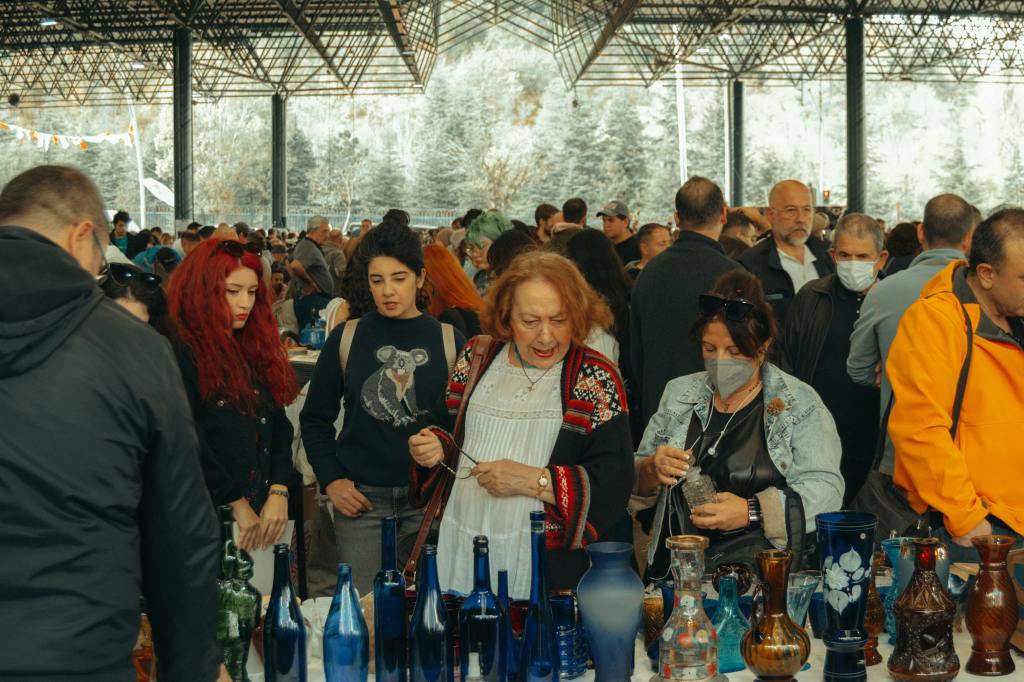
When you hear the term “craft fair,” what comes to mind? A bustling street lined with artisan booths? A school gym filled with handmade goodies? A quirky flea market with unique finds? The truth is, “craft fair” means different things to different people—and not every event is the right fit for every vendor.
If you’re new to selling at craft fairs or you’ve attended a few but didn’t see much success, it could be that the event wasn’t the right match for your products.
The key to success is understanding the different types of craft fairs and where your products will shine. Let’s break them down, from the easiest to get into to the more competitive markets.

Flea Markets
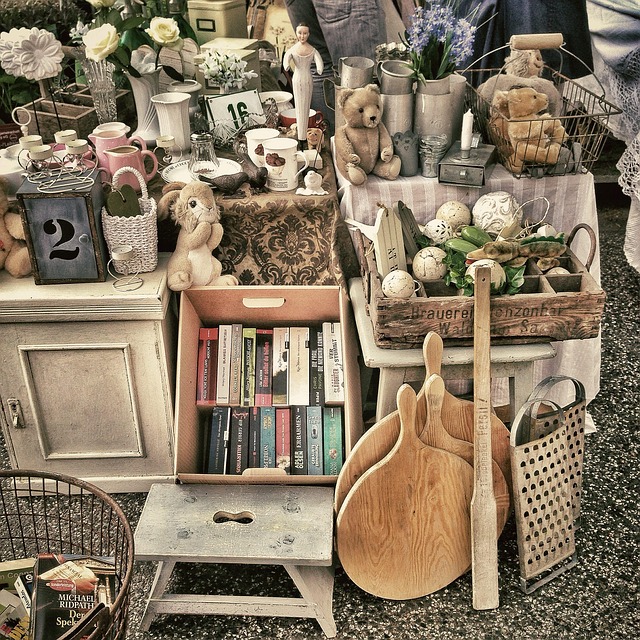
Flea markets are often associated with yard sales, vintage finds, and bargain hunting. Traditional flea markets are all about low prices, and haggling is expected. If you’re selling handmade goods here, be prepared for buyers looking for a deal.
However, not all flea markets are created equal. Some, like the New Jersey Punk Rock Flea Market, cater to a niche audience with a mix of vintage, alternative art, and oddities. These tend to attract a crowd looking for unique and edgy items rather than secondhand bargains. If your products align with the vibe, you could do well here.
Pop-Up Markets
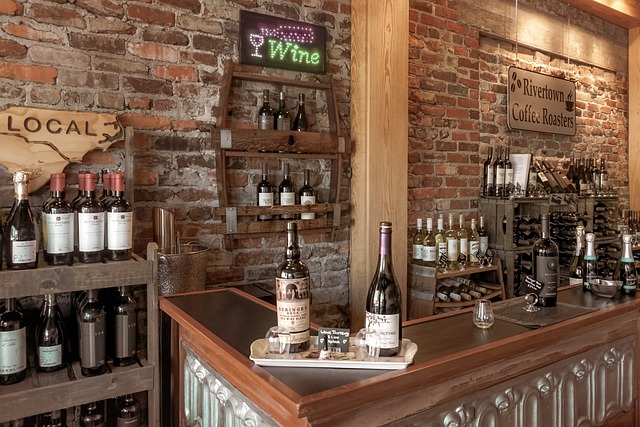
Pop-up markets are hosted in existing spaces like breweries, wineries, or retail stores. Because these events happen within an already-operating business, foot traffic can vary – some attendees may not even realize a craft event is happening.
Success at a pop-up depends on whether your products complement the venue. For example, a vendor selling cork décor would likely perform better at a winery than a soap maker. Be prepared to do your own advertising, as event promotion often falls on the vendors.
Farmers Markets
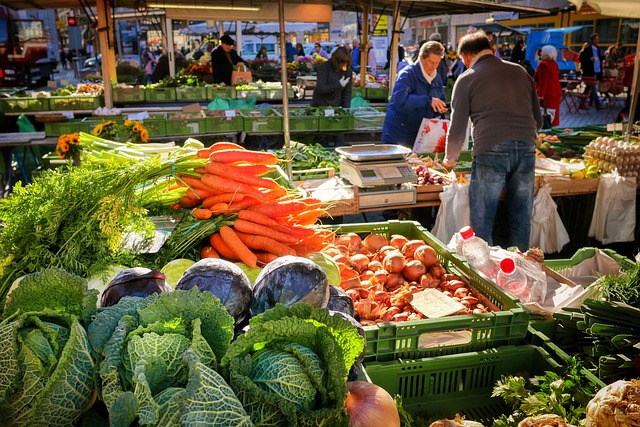
Farmers markets are a fantastic option for vendors who sell handmade goods that complement fresh produce and artisanal foods. These markets typically attract shoppers looking for high-quality, locally made products, making them an excellent fit for soap makers, candle makers, woodworkers, and textile artisans.
Unlike seasonal craft fairs, many farmers markets run weekly or biweekly, giving vendors a chance to build a steady customer base. However, the challenge is that customers often come with a grocery list in mind, so impulse purchases may be lower compared to a dedicated craft fair. Having eye-catching displays and offering samples or demonstrations can help draw people in.
Another factor to consider is the outdoor setting—weather can impact attendance, and some markets require vendors to commit to multiple weeks or even a full season. Be sure to check the vendor guidelines before signing up.
The Craft Add-On
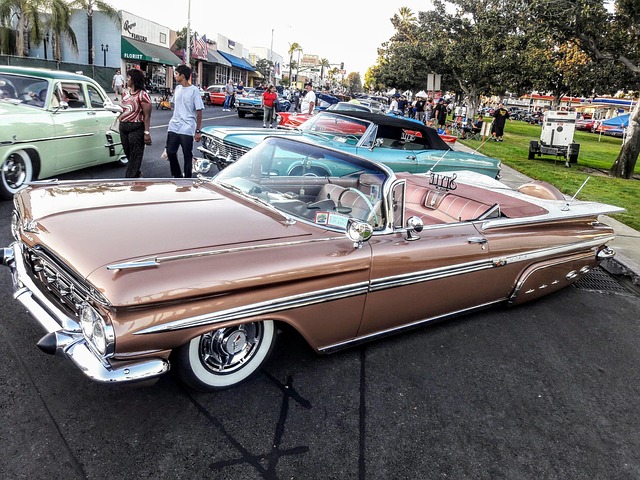
Some events, like music festivals or car shows, include a vendor section as an extra attraction. Keep in mind that attendees are there for the main event, not necessarily to shop.
Products that are easy to carry – like T-shirts or small accessories/Jewelry – tend to do well, while bulky or fragile items may struggle. While these add-on fairs can be hit or miss, they can also introduce your work to a new audience.
School, Church & Firehouse Craft Fairs

These fairs range from small, intimate events to large gatherings with 100+ vendors. Since they’re often fundraisers, booth fees tend to be lower, making them a budget-friendly option. However, they’re usually run by volunteers, which means organization and advertising can vary. Sometimes, the only promotion is a Facebook post or a school newsletter.
One advantage is that these fairs often attract the same vendors and customers year after year. If you do well and build a following, shoppers will know where to find you next time!
Traditional Craft Fairs
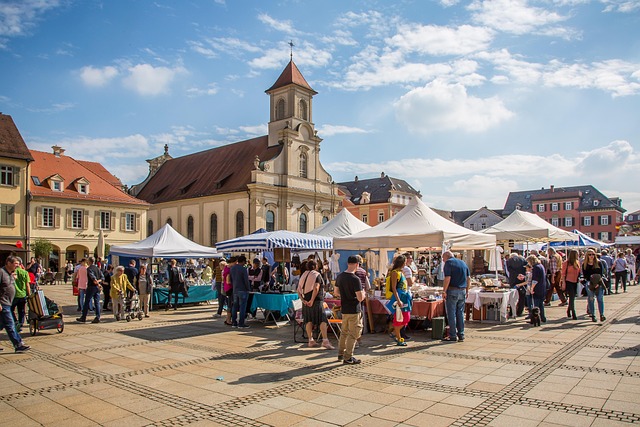
These are the classic street fairs where roads are closed off and vendors line the sidewalks.
Some fairs are open to all vendors on a first-come, first-served basis, while others limit the number of similar sellers (like only allowing a few candle makers). If a fair limits competition, it can be tougher to get in, but once you’re in, it’s usually worth it.
Some craft fairs are juried, meaning organizers review applications and select vendors based on quality, uniqueness, and alignment with the fair’s aesthetic. If you’re considering a juried fair, attend first as a shopper to see if your products fit the style.
Art Fairs

Art fairs are the most selective and often the most expensive to enter. They focus on fine art, pottery, sculpture, and high-end jewelry. If you string beads from a craft store, this isn’t your venue—organizers look for handcrafted pieces where the artist has created the components themselves.
Applications for art fairs typically require professional type photos, a detailed description of your process, and often a non-refundable fee. While pricey, these fairs often provide strong advertising and attract serious buyers.
Expos

Expos are large-scale events often held in convention centers. Unlike free-entry craft fairs, expos are ticketed, meaning attendees pay to get in. This can be a good sign—people who pay to attend are often serious shoppers.
Expos usually have a specific theme, like tattoos, oddities, or home and garden shows. Since they happen only once a year, they can draw large crowds.
However, they require a big commitment. Many last multiple days and require setup the day before. Booth fees are higher, but they come with extensive advertising and a strong potential for high sales.
Renaissance Faires

Renaissance Faires are a unique mix of history, entertainment, and shopping, offering a highly themed selling experience. These events attract attendees who are passionate about medieval and fantasy culture, making them an excellent fit for vendors selling handmade leather goods, costumes, magic & fairy items, candles, soaps, and other historically inspired crafts.
One key factor to consider is that many Renaissance Faires require vendors to dress in period-appropriate attire and decorate their booths accordingly. This means covering any “modern” features of your tent such as metal legs. This adds to the immersive experience but can be an extra investment.
Since these events often last multiple weekends or even months, they require a significant commitment. However, the payoff can be great, as attendees tend to spend more on high-quality, niche products. If your work aligns with the Renaissance aesthetic, these fairs can be a lucrative opportunity.
Which Craft Fair Is Right for You?

As you can see, not all craft fairs are the same. The best event for you depends on your products, price point, and target audience. If you’re unsure, visit a few fairs as a shopper before applying as a vendor.
Pay attention to the crowd, vendor variety, and—most importantly—how many people are walking around with shopping bags!
Have you had great (or not-so-great) experiences with craft fairs? Let’s hear about them in the comments!




 Craft Fair Insider
Leave a comment