

If you’re a small business owner or craft fair vendor, you’ve probably heard the constant buzz around tariffs, trade wars, and shifting import rules. It’s enough to make anyone uneasy — especially when you’re just trying to create beautiful things and sell them at local events.
While I’m not a trade policy expert, I am a fellow small business owner navigating this uncertainty alongside you. In this article, I want to share how I’m personally approaching this situation — in hopes that it helps you feel less overwhelmed and more prepared to take thoughtful action.
Prefer to watch the Video on the Craft Fair Insider YouTube channel? Play it here and subscribe for more tips and news.
Take a Deep Breath — You’re Not Alone

One of the hardest parts of running a creative business solo is not having the usual outlets to vent and process. In a traditional workplace, you can chat with coworkers over lunch. As craft fair vendors and Online Sellers, we don’t get that unless we’re literally at a fair chatting with neighbors between customers.

That’s why online communities are so important. If you need to connect, the Craft Fair Insider Facebook Group is open to anyone looking for support, ideas, or just someone who “gets it.” Misery might love company, but it also brings comfort knowing we’re all weathering the same storm.
Tariffs 101: Why They Matter for Creatives
Tariffs affect more than just big-box retailers — they impact our supply costs, our profit margins, and our pricing strategies.
Even if you’re buying from a U.S.-based supplier, they may be importing components from overseas (like China, Vietnam, or the Czech Republic). You might not feel the impact right away, but if you haven’t mapped out your supply chain yet, now is the time.
Start by asking:
- Where do your raw materials come from?
- Are they imported?
- Are you under the de minimis threshold (orders under $800) for international purchases?
Understanding your supply sources helps you plan for potential cost increases — and gives you a head start on adapting.
Don’t React to Headlines — Respond to Reality

It’s easy to spiral when reading every new tariff headline. But here’s the truth: Headlines don’t equal policy.
Set up a Google Alert for keywords like “tariffs and small businesses” so you can monitor actual changes — not just the hype. Wait for implementation before making drastic shifts in your pricing or product strategy.
Remember: control what you can control.
Get Proactive With Bulk Orders and Stocking Up

If you’re financially able, consider placing bulk orders for supplies you’ll need throughout the year — especially non-perishable items like:
- Packaging (bags, tape, boxes)
- Raw materials with stable shelf life
- Shipping supplies
Not only does this hedge against rising costs, but you might get a better per-unit rate.
Check out our Benable List: Bulk Suppliers for Online Small Businesses

Talk to Your Suppliers

Open communication is key. Ask your wholesalers:
- Do you anticipate raising prices soon?
- Are you sourcing from countries impacted by new tariffs?
- Do you have alternative suppliers?
They might not have all the answers yet, but it gives you valuable insight into what to expect — and how to plan your pricing.
Explore Upcycling and Creative Reuse
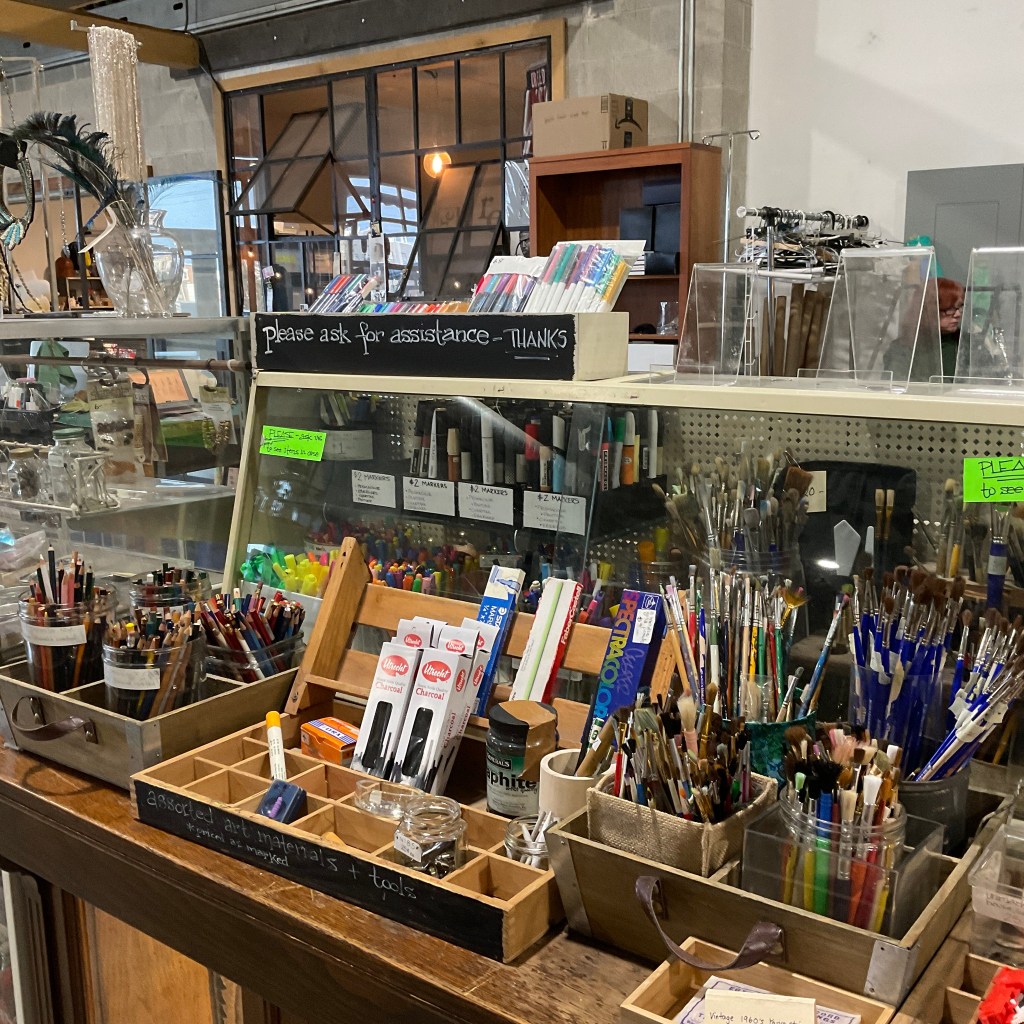
If you can’t afford to stockpile or switch suppliers, consider tweaking your product offerings. One emerging trend is upcycled or thrifted materials.
Thrift stores, creative reuse centers, and nonprofit donation centers like The Resource Exchange in Philadelphia can be gold mines for affordable supplies — everything from fabric and buttons to vintage finds that add character to your products.
Bonus: customers love the idea of sustainability. Highlight the eco-conscious element of your upcycled items and consider showcasing them as a special product line.
Price Increases: It’s Okay to Charge What You’re Worth

If you do need to raise your prices, don’t shy away from it — just be honest and human. People will understand.
A few strategies to ease the transition:
- Notify loyal customers in advance via email or social media: “Prices going up next month — shop now at current rates.”
- Explain the value of your work: Walk people through your process at the craft fair. Let them connect to your story, not just the item.
- Offer tiered pricing: Have a range of lower-cost and premium items available so there’s something for every budget.
People buy handmade because they value connection and creativity. Don’t undersell yourself out of fear.
Be Flexible With Your Fair Schedule

If you’re concerned about return on investment at higher-priced craft fairs this year, consider:
- Choosing smaller, lower-risk fairs (with $30–$50 booth fees)
- Scaling back to fewer shows temporarily
- Doubling down on fairs with a strong, proven audience
At the end of the day, none of us can predict exactly how consumer spending will shake out. But scaling mindfully is better than burning out or taking big financial risks.
Focus on What You Can Do
The most important takeaway? Don’t panic. Don’t spiral. Don’t let headlines dictate your business strategy.
Instead:
- Stay informed, not alarmed
- Diversify and prepare where you can
- Connect with community
- Celebrate your handmade value
- And lean into creativity — that’s what got you here in the first place
We’re all navigating this together, and we’ll keep adapting just like we always do. If you have tips, experiences, or supplier suggestions, drop them in the comments or share in the Craft Fair Insider group. Let’s help each other thrive.

Bill is the owner of Holidays Lane and sells at both In-Person Craft Fairs and online at Holidayslane.com.



 Craft Fair Insider
Leave a comment